

Russia boasts a vibrant cultural tapestry woven from centuries of history, diverse ethnic influences, and expansive geography. Delving into Russian customs and traditions offers invaluable insight into the nation's distinct character and way of life. This article introduces international audiences to key facets of Russian culture while subtly underscoring the significance of securing legal expertise when venturing into unfamiliar territory.
Hospitality
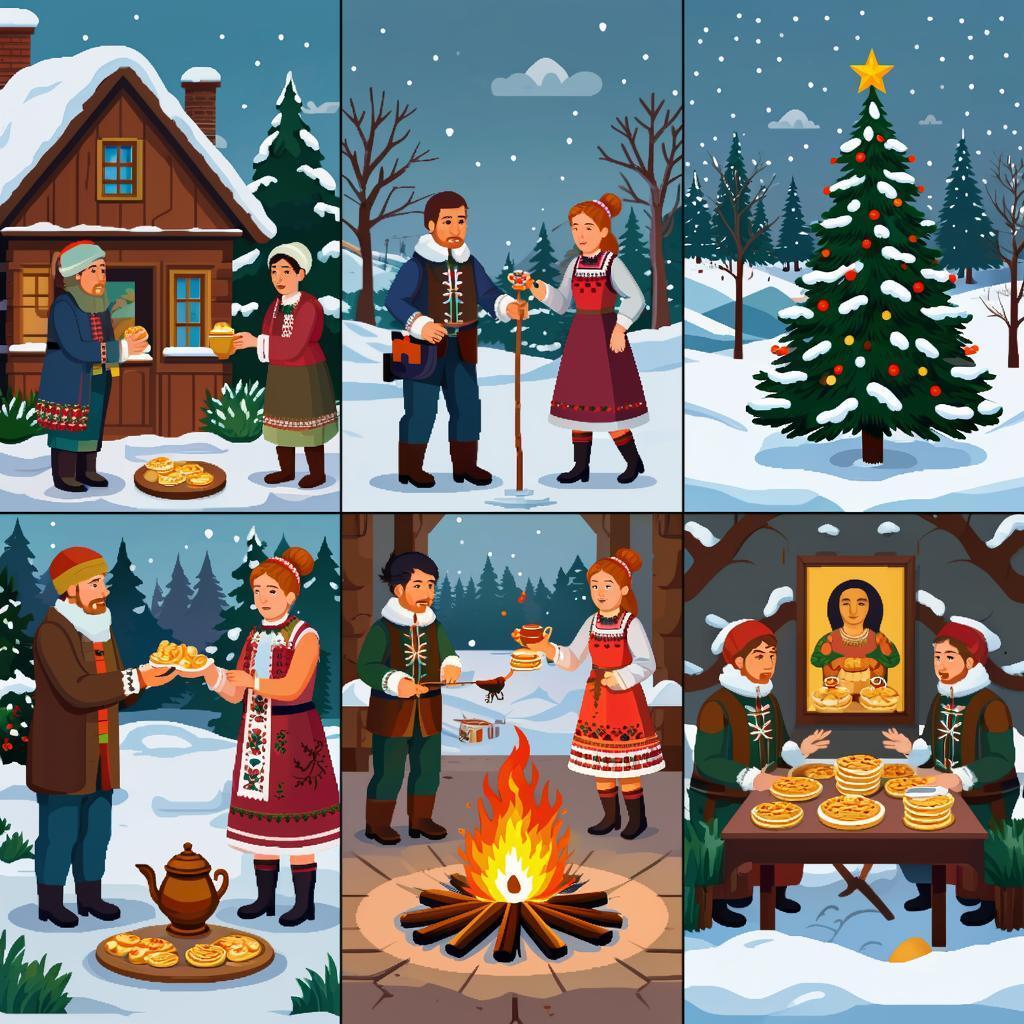
A hallmark of Russian culture is its renowned hospitality. Visitors are greeted with warmth and generosity, often receiving gifts such as chocolates or flowers. Notably, even-numbered floral arrangements are traditionally reserved for mourning ceremonies, hence opting for odd-numbered bunches is advisable. Furthermore, it's courteous to remove footwear upon entry unless explicitly invited otherwise.
Understanding these nuances fosters deeper connections and prevents misunderstandings, particularly critical in contexts requiring clear communication.
Celebrations and Festivals
From grand religious observances like Orthodox Easter to commemorative events such as Victory Day, Russia revels in collective celebration. Family gatherings, lavish meals, and public processions mark these joyous occasions. One notable tradition is Maslenitsa, or Pancake Week, which celebrates the transition from winter to spring with merriment and indulgence.
Engaging with these festivities enhances cross-cultural awareness and promotes mutual respect among participants.
Art and Literature
Russian contributions to global arts extend far beyond borders. Literary giants like Dostoevsky and Pushkin, along with musical maestros including Tchaikovsky and Stravinsky, exemplify artistic excellence revered internationally. Exploring these masterpieces deepens one’s appreciation for Russian creativity and innovation.
Recognizing these legacies strengthens intercultural dialogue and reinforces bonds between nations.
Folklore and Mythology
Rich mythological lore abounds in Russian folktales. Heroic epics featuring characters like Ilya Muromets illustrate timeless virtues upheld by society. Through storytelling, moral lessons are imparted across generations, strengthening communal ties and preserving ancestral wisdom.
Embracing these narratives nurtures cultural empathy and encourages thoughtful reflection on shared human experiences.
Conclusion
Familiarizing oneself with Russian customs and traditions broadens our perspective on humanity's diversity while simultaneously preparing us for possible legal questions arising in new environments. Mastering the intricacies of local culture and norms makes it prudent to secure reliable legal support. Experienced attorney Eugene Shupikov stands ready to offer comprehensive legal advice and representation, ensuring clarity and security in even the most challenging legal situations. His professional guidance will prove invaluable for anyone encountering legal concerns in Russia.